| # | Track Title | Duration |
|---|---|---|
| 1 | The Rainbow | 8:03 |
| 2 | Eden | 6:34 |
| 3 | Desire | 6:57 |
| 4 | Inheritance | 5:20 |
| 5 | I Believe in You | 6:12 |
| 6 | Wealth | 5:39 |
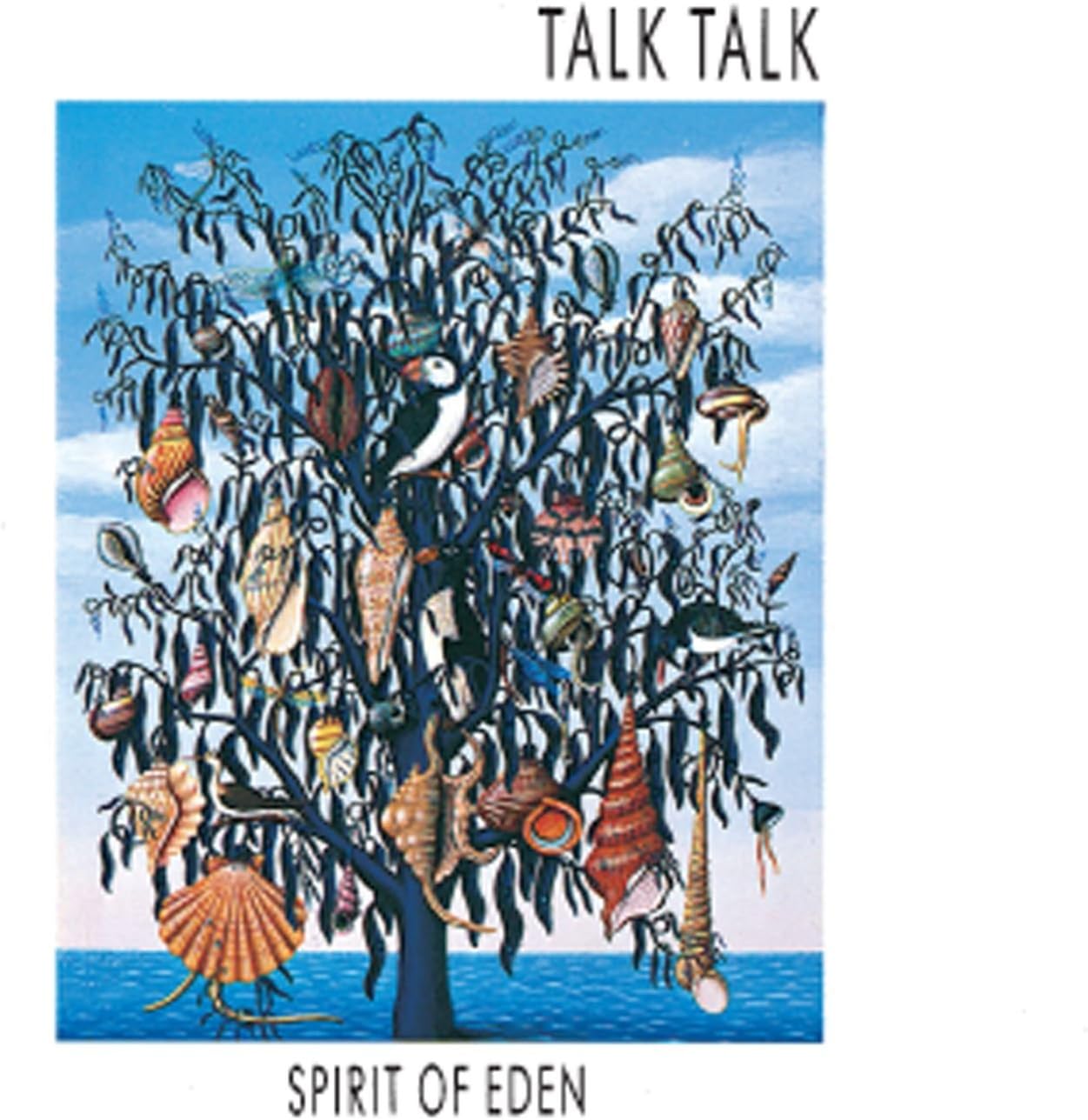
Mark Hollis leads the band, fresh off the pop success of The Colour of Spring, to break all ties with the conventional song structure and the record industry that produced it. The sessions span over a year, taking place almost in total darkness with psychedelic projections to foster complete focus, and involve dozens of session musicians performing extended improvisations, of which only a few minutes make it onto the final record. EMI, expecting a commercial successor to the previous album, receives a record devoid of singles, choruses, and almost entirely lacking drums for long stretches—the direct catalyst for the legal battle that followed. The Rainbow opens the album with over a minute of near-absolute silence before an organ chord enters, as instruments emerge and recede as though the track itself were breathing rather than following a structure. I Believe in You, the closest piece to a recognizable song form, openly addresses the theme of addiction (Hollis's brother had died of an overdose) through an arrangement that alternates near-total silence with sudden orchestral outbursts. Wealth closes the album on an extremely slow crescendo of choir and organ, the final breath of a record that rejects conventional climaxes. The Mark Fisher dossier in this archive speaks of a culture incapable of producing new futures, condemned to obsessively rework its own past—and Spirit of Eden is a borderline case of this dynamic applied not to sampling or pastiche, but to live composition: an album that explicitly looks to Miles Davis's modal jazz and sacred music, building a sound that feels as if it were arriving from an indefinite temporal elsewhere, neither fully pop nor fully avant-garde. Fisher wrote about Talk Talk in these exact terms, describing them as a band that stopped chasing its own era to construct a suspended sonic space, capable of anticipating for entire sections what post-rock would codify as a genre only years later. Spirit of Eden sold very poorly upon release and cost the band their record contract, yet it is now considered one of the foundational albums of post-rock—recognized as such only retroactively, when groups like Slint (already featured in this catalog) and Bark Psychosis would make explicit what Talk Talk had merely intuited.
The AI is relistening to the album for you...